
Keynote Speakers
The ESEE2026 keynotes bring distinguished scholars to Ghent who work on topics related to ecological economics. These keynote speakers are not necessarily ecological economists, but we consider them as “friends” to the field. After each keynote address, a prominent figure from within the Ecological Economics discipline will give a short reaction to the keynote, after which the floor is opened for Q&A with conference participants.
You can find the full ESEE2026 Keynote Programme below. All keynote will take place in aud. Quetelet on campus Tweekerken.
___________________________________________________________
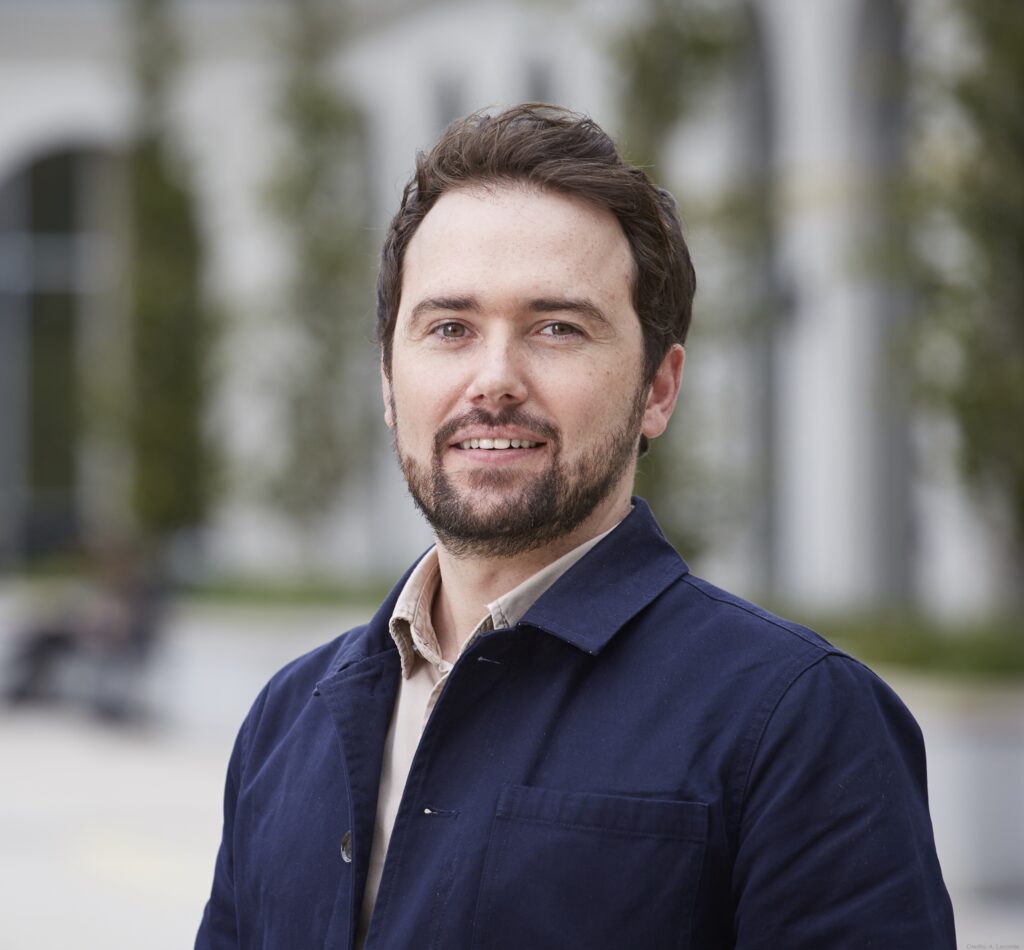
Opening Keynote
Who owns power? A political
economy of energy regimes
June 30th, 16:30
slides Opening Ceremony – slides keynote (tbs)
Lucas Chancel is a tenured Associate Professor of Economics at Sciences Po, where he is affiliated with the Center for Research on Social Inequalities and the Department of Economics. In addition to his academic role at Sciences Po, he serves as a Co-director of the World Inequality Lab at the Paris School of Economics. His research and teaching focus primarily on the study of economic inequality, its intersection with unsustainable development patterns, and the design of effective environmental policies. Professor Chancel’s work has established him as a leading voice in global political economy, with frequent contributions to international debates on reconciling ecological transitions with social justice.
Outline:
The energy transition is not, at heart, a technology vs. sufficiency challenge: it is a struggle over property. Drawing on his book Énergie et inégalités : une histoire politique (Seuil, 2025, translation forthcoming), this lecture argues that every energy regime is a regime of ownership, and therefore a regime of inequality. Whoever controls the wells, grids, solar farms, batteries and patents controls the way humans use energy, the distribution of the energy rent, the geography of emissions, and the boundaries of the politically possible. The twentieth century’s wave of energy socialisation accompanied the steepest compression of inequality on record. The neoliberal counter-revolution after 1980 redirected rent back to capital. The decisive question is one of property: will the energy systems of the twenty-first century be reclaimed as a commons, or enclosed as the next frontier of accumulation?
Discussant: Milena Büchs (Leeds University)
___________________________________________________________
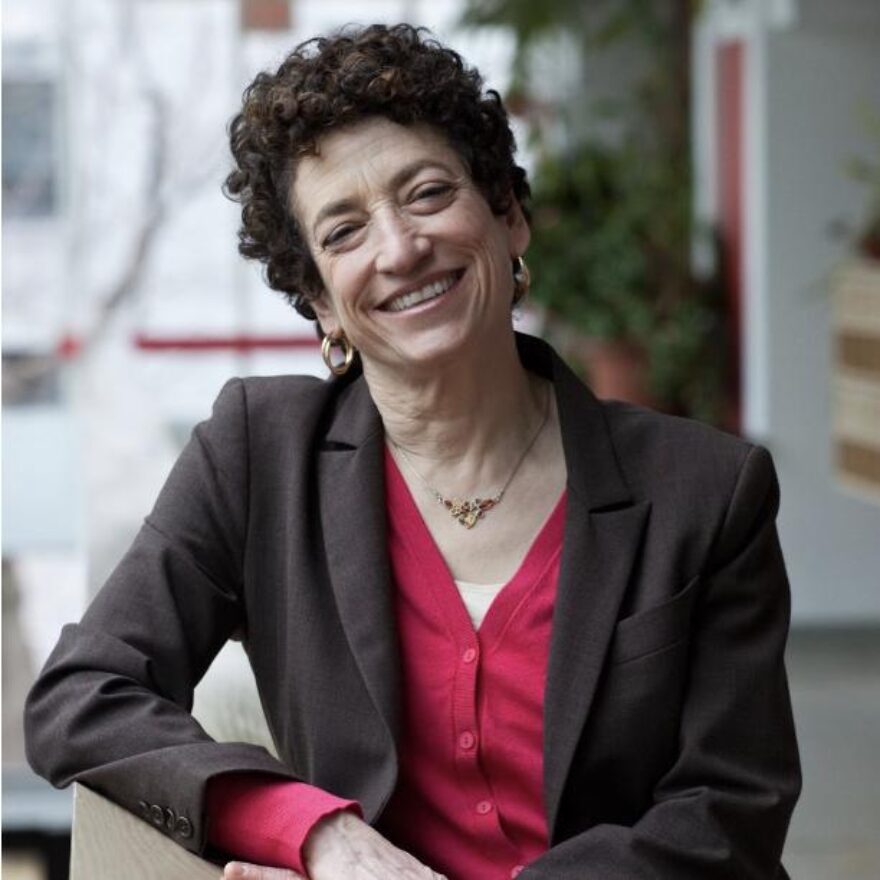
Keynote
External Costs: The Achilles Heel
of Laissez-Faire Capitalism
July 1st, 11:00
slides keynote (tbs)
Naomi Oreskes is the Henry Charles Lea Professor of the History of Science and an Affiliated Professor of Earth and Planetary Sciences at Harvard University. A distinguished American historian of science, she is widely recognized for her expertise in the history of climate science and the sociology of scientific knowledge. Her seminal work, Merchants of Doubt (2010), coauthored with Erik M. Conway, exposed the organized efforts to undermine scientific consensus on issues from tobacco to global warming. Professor Oreskes is a leading voice in global discussions concerning scientific integrity, public understanding of science, and the challenges of climate change. In 2025, she was awarded the Volvo Environment Prize for her contributions in “shaping our understanding of how scientific knowledge is collectively constructed and addressing the challenges of misinformation in public discourse”.
Outline:
Oreskes showed in her 2023 book (with Erik Conway) how our societies’ deep belief in the necessity to protect the very freedom of markets is also the result of a century of interventions – notably by US business actors – into the very way economics is conceived, thought and researched. Freedom of markets has been elevated as a necessary condition to political freedom and democracy in itself. Her keynote will allow us to discuss how the institutionalisation of orthodox economics – like any science – is a complex dynamic where influence, power and ideology are performative to axiological robustness. In conjunction with Oreskes’ meticulous observations of the prevalent dynamics of anti-science and anti-climate in the US, her keynote will help ecological economists to apprehend the struggle of ideas that boil in today’s society.
Discussant: Erik Gomez-Baggethun (Norwegian University of Life Sciences)
___________________________________________________________

Keynote
How Democratic is Climate Litigation?
Political Underreach and the Role of Courts
in European Climate Governance
July 2nd, 11:00
Christina Eckes is a professor of European law at the University of Amsterdam and serves as the director of the Amsterdam Centre for European Law and Governance (ACELG). Her academic research focuses primarily on European constitutionalism, the external relations of the European Union, and the intersection of law with climate mitigation norms. Since her appointment as professor in 2016, she has become a leading voice in the study of EU legal frameworks and their impact on democratic governance. Through her leadership at ACELG, she contributes extensively to international academic debates regarding the constitutional challenges facing the European Union today. Professor Eckes will give a keynote on climate litigation, its consequences for the democratic process and the role (social) scientists can play in litigation cases.
Outline:
This keynote explores the democratic promise and peril of climate litigation in Europe and beyond. As courts are increasingly asked to address inadequate, unstable, or regressive public and private responses to the climate crisis, they must define their institutional role in relation to legislatures, executives, corporations, and affected communities. Are they displacing democratic choice, or giving effect to legal commitments that defendants have failed to honour? The answer, this keynote argues, depends heavily on the conception of democracy through which litigation is assessed, as well as on the jurisdictional context often assumed in the background. It highlights why assumptions common in US-centred debates do not always travel well to the European context and examines how social-scientific and economic analysis directly and indirectly shape judicial reasoning.
Discussant: Arild Vatn (Norwegian University of Life Sciences)
___________________________________________________________
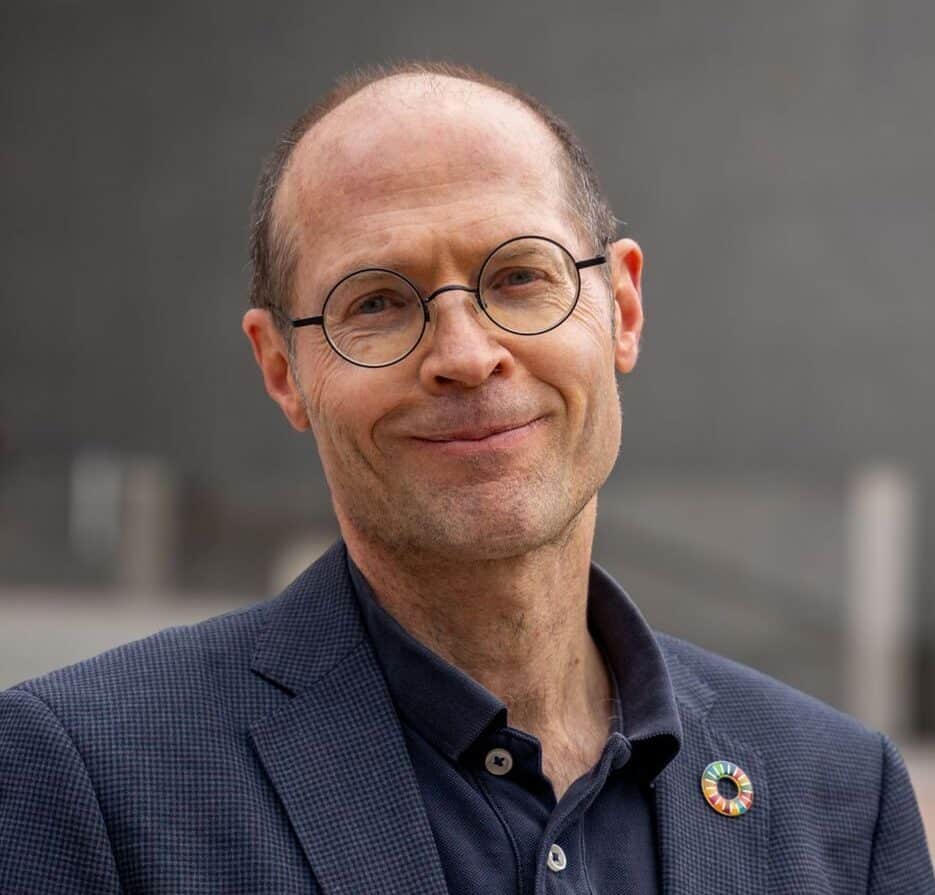
Closing Keynote
Escaping Growth Dependencies:
the UN Roadmap Project
July 3rd, 15:30
Olivier De Schutter is a Professor of Law at the University of Louvain (UCLouvain) and at Sciences Po in Paris. He is widely recognized for his expertise on social and economic rights and on economic globalization and human rights. Throughout his distinguished career, he has served in numerous high-level international roles, including as Secretary General of the International Federation for Human Rights (2004–2008), as the UN Special Rapporteur on the right to food (2008–2014), and as a member of the UN Committee on Economic, Social and Cultural Rights (2014-2020). Since 2020, he has been appointed as UN Special Rapporteur on extreme poverty and human rights. A graduate of Harvard University and a Ph.D. from UCLouvain, professor De Schutter is a leading advocate for human rights-centered approaches to food systems, sustainable development, and systemic reform in global economic and environmental governance.
Outline:
The result of 18 months of debates and consultations, the Roadmap for Eradicating Poverty Beyond Growth was presented in April 2026 at the ILO headquarters in Geneva. This keynote address will provide a behind-the-scenes picture of how it was received, which challenges remain, and what its likely future could be. Moving beyond economic growth to reduce poverty and inequalities is both an intellectual and a political challenge. It requires not only a leap in imagination, but also the adoption of the right governance tools, and the creation of new alliances. Provided the right conditions are created, what seems now politically impossible will become politically inevitable. Economics, as a discipline and as profession, has a major role to play in this endeavour.
Discussants: Alexandra Köves (Corvinus University of Budapest and ESEE president), and Joseph Eastoe (University College London) reporting back on the Student Get-Together at the start of the conference.